
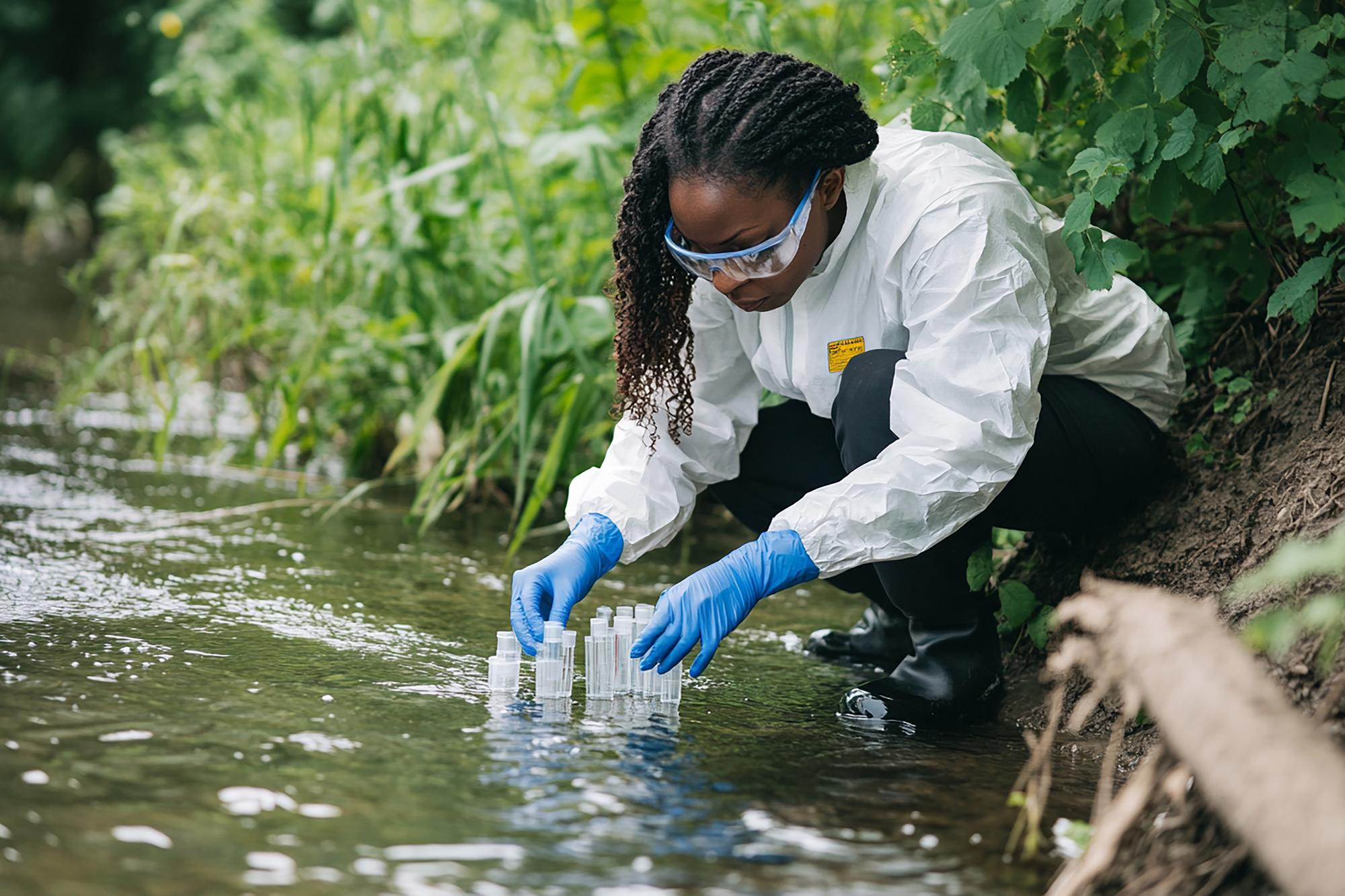
Multimedia University of Kenya (MMU) has launched an ambitious multinational research project aimed at transforming municipal wastewater into a resource while tackling emerging environmental pollutants.
The project, titled Pollutant Upcycling and Resource Recovery for Environmentally Sustainable and Climate-Resilient Municipal Wastewater Management (PURE-MW), and funded under African Regional Call of Belmont Forum, brings together partners from Kenya, Uganda, South Africa, Germany and Turkey.
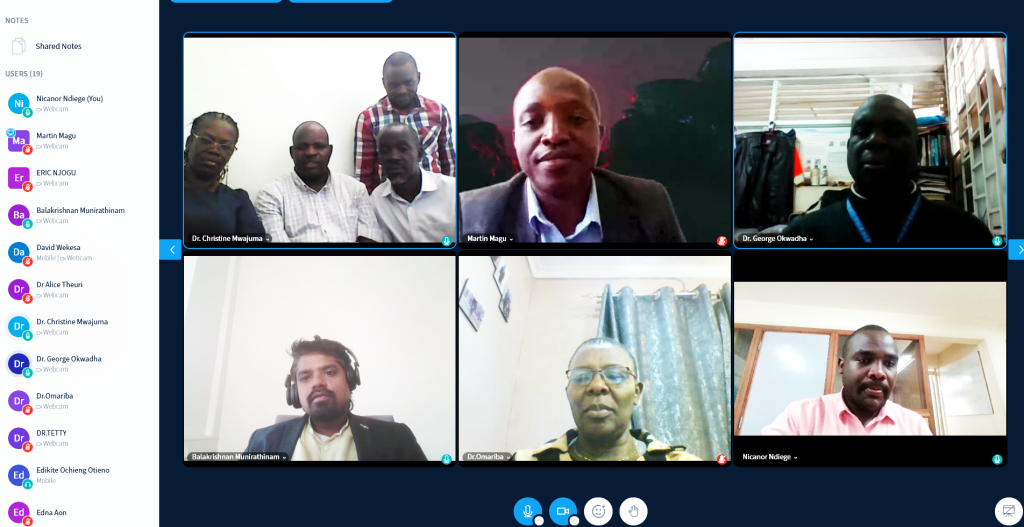
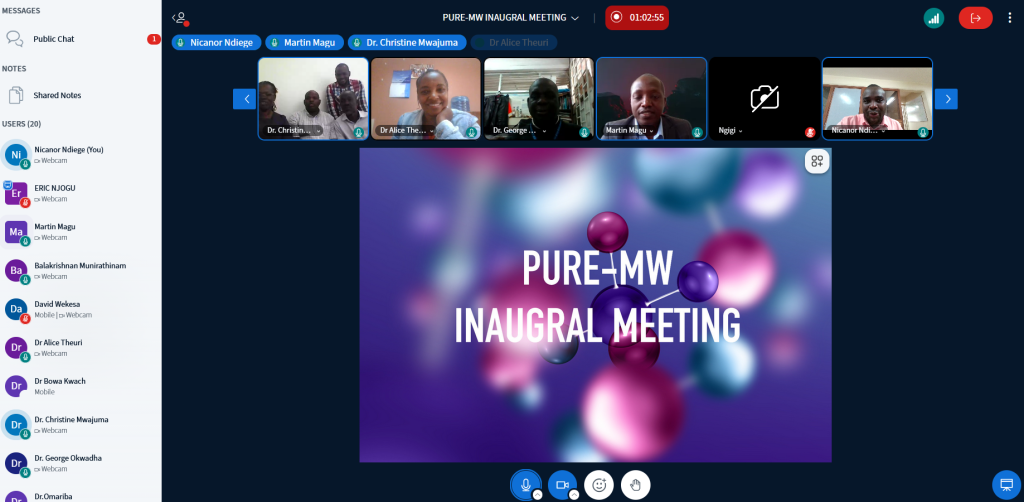
Speaking during official launch ceremony on Tuesday, March 2026, MMU Ag. Vice Chancellor Prof. Livingstone Ngoo described the project as a “pivotal moment” for the university and its partners, emphasizing the urgent need for innovative solutions to modern waste challenges.
“As we move around our cities, we see growing municipal waste problems, from plastics clogging drainage systems to new pollutants introduced by modern technologies,” he said. “This research must act like a grinding mill with a definite output, delivering tangible solutions that make the world safer and better.”
Prof. Ngoo underscored the importance of multidisciplinary collaboration, noting that complex challenges such as climate change, water pollution, and public health threats cannot be solved by a single discipline or country.
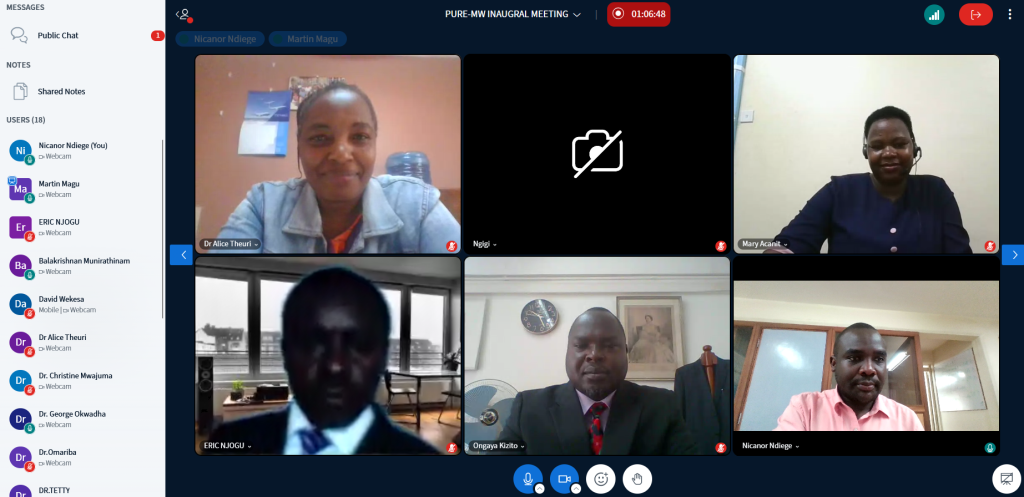
He challenged the research team to go beyond academic publications and focus on innovation, intellectual property development, commercialization of technologies, and measurable community impact.
“We want robust technologies that municipalities and industries can use. Let your work be felt directly in the community, not just in journals,” he added, while assuring the team of institutional support and adherence to the highest ethical and research standards.
Hidden Goldmine
The Consortium Lead and project’s Principal Investigator (PI) Dr. Eric Njogu explained that PURE-MW seeks to shift the traditional perception of wastewater.
“PURE-MW treats municipal wastewater as a hidden goldmine,” he said. “Our focus is twofold: removing emerging contaminants such as pharmaceutical residues, endocrine-disrupting compounds, and phenolic chemicals, and recovering valuable resources to promote a circular economy.”
Dr. Njogu noted that pharmaceutical and personal care products, antibiotics, anticancer drugs, and endocrine-disrupting chemicals are increasingly detected in rivers, groundwater and even drinking water sources.
These contaminants, he said, pose risks to human health, aquatic ecosystems and long-term socio-economic stability.
The 36-month project aims to develop innovative purification systems capable of removing such pollutants while also converting waste compounds into valuable feedstocks for industrial use.
By doing so, Dr. Njogu said the consortium hopes to reduce reliance on petroleum-based resources and transform wastewater management into a climate-resilient, resource-efficient system.
The project involves a wide network of universities and institutions including Kyambogo University, Maseno University, University of Cape Town, Ankara Hacı Bayram Veli University, Technische Universität Braunschweig, Makerere University, and Kenya Water Institute, among others.
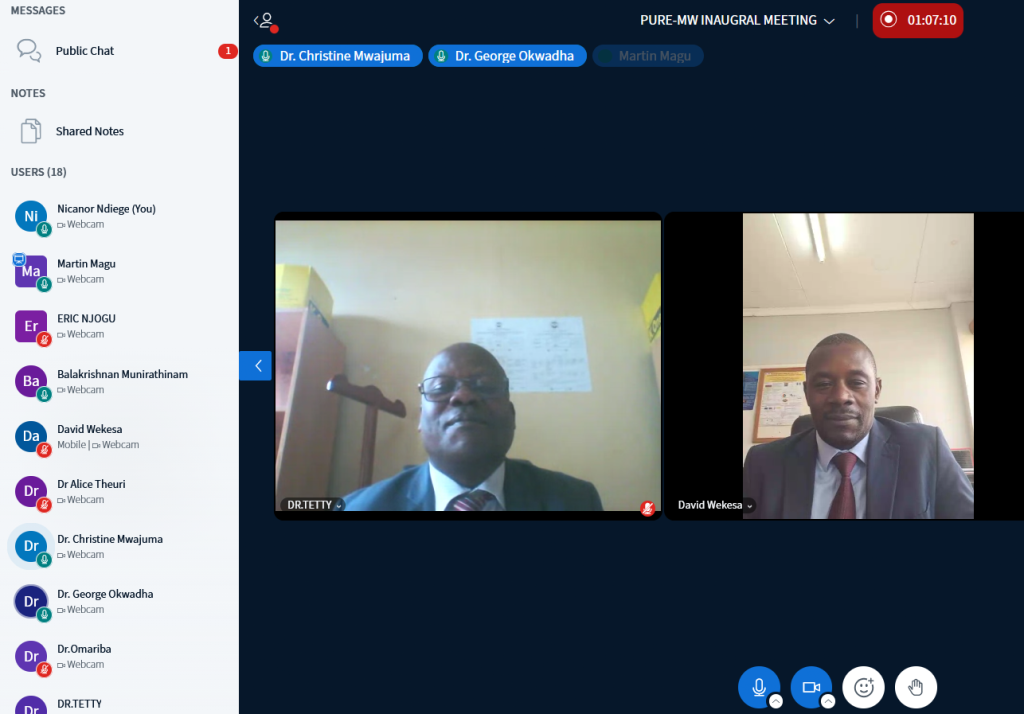
On his part, MMU Director of Research and Innovation Dr. David Wekesa praised the PURE-MW team as a formidable multidisciplinary consortium aligned with forward-thinking global research trends. He noted that the Department of Chemistry at Multimedia University has been leading impactful projects addressing complex environmental and public health challenges.
He assured consortium members of full administrative support and stressed the need for research outputs to influence policy and legislation.
“The findings must move beyond theoretical frameworks to provide concrete recommendations that inform legislation, guide resource allocation and improve citizens’ lives,” Dr. Wekesa said. “We must bridge the gap between research and commercialization.”
On the same note, Dean, Faculty of Science and Technology, Prof. Iyaya Wanjala, described the initiative as more than a funded project, calling it “a shared intellectual journey grounded in scientific excellence, multidisciplinary integration and international collaboration.”
He emphasized the need for harmonized methodologies, transparent data sharing, and strong governance structures to ensure the project’s success across borders.
“Geographical distance must never become intellectual distance,” he remarked, urging partners to build trust, shared ownership and cohesive teamwork.
PURE-MW aligns with the African Union’s Agenda 2063 priorities on climate resilience, pollution control, and the water–energy–food–health nexus. The project also integrates cross-cutting themes such as green and blue economies, education and awareness.
The project is funded by agencies including Germany’s Federal Ministry of Education and Research (BMBF/DLR-PT), Future Earth, the Kenya’s National Research Foundation (NRF-Ke), and Türkiye’s TUBITAK.
By Nicanor Ndiege