
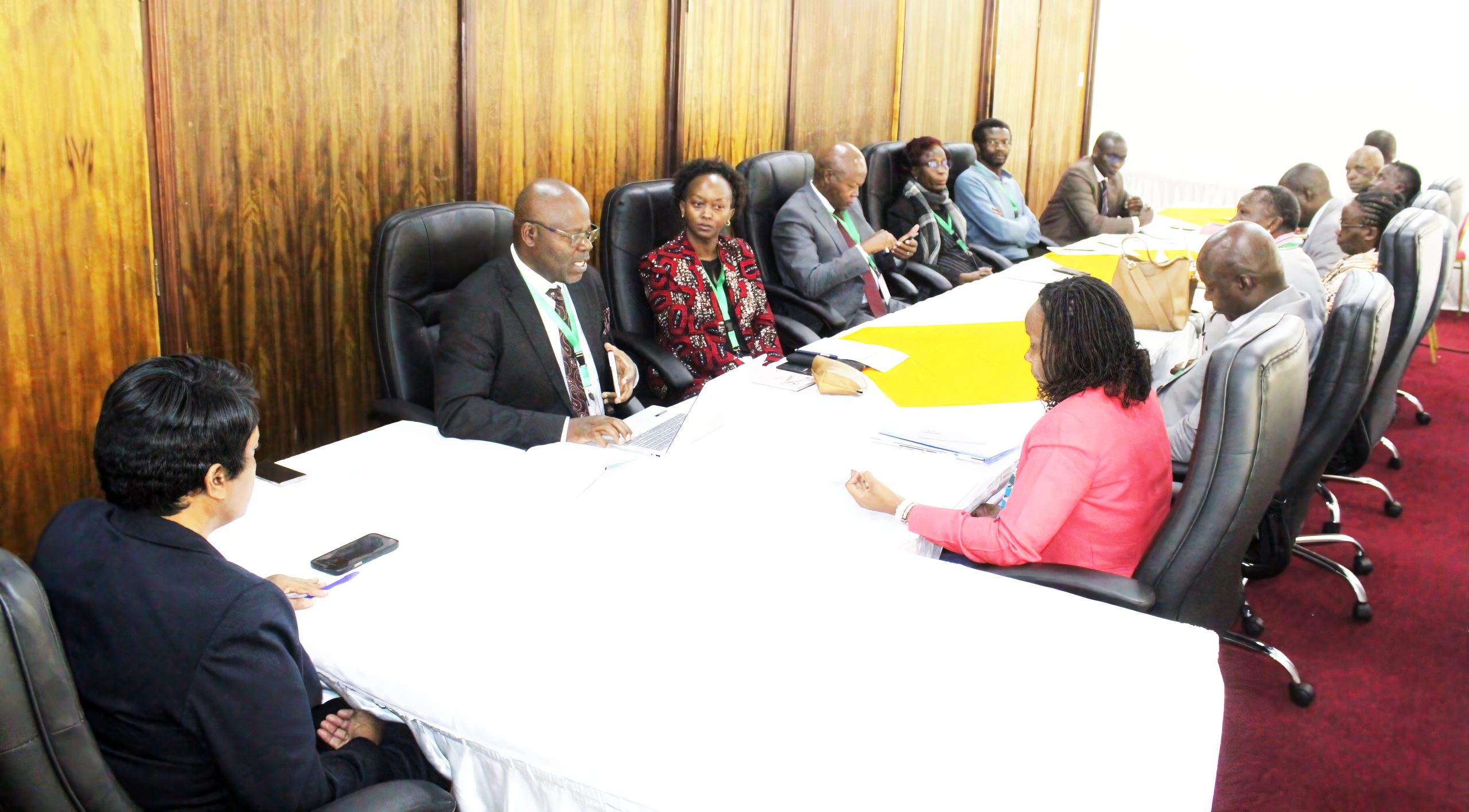
Multimedia University of Kenya (MMU) has commenced a three-day Regular Institutional Quality Audit by the Commission for University Education (CUE), aimed at assessing the university’s systems, structures and overall adherence to national standards in higher education.
The audit team, led by chairperson Prof. Maurice Okoth, was officially received at the university by Vice Chancellor Prof. Rosebella Maranga alongside members of the university’s top management.
Welcoming the delegation, Prof. Maranga said the university views the exercise not as an examination but as an opportunity to strengthen its systems and enhance service delivery.
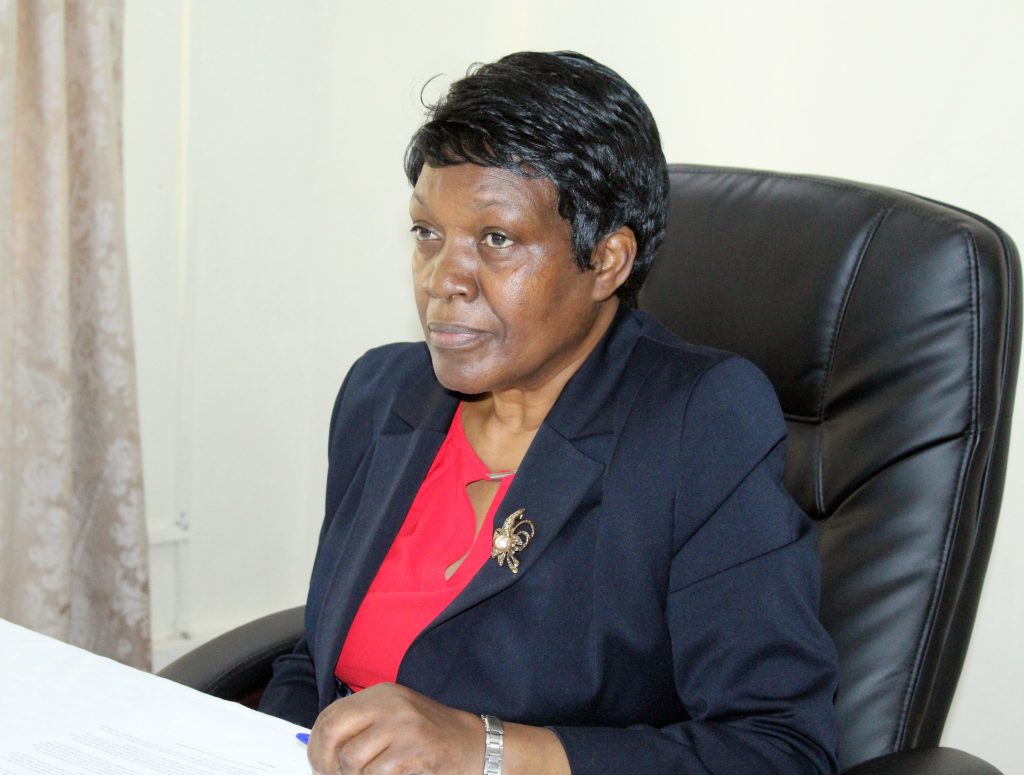
“We don’t take this as an examination. We take it as a learning experience. Where we are wrong, we will get to know, where we are right, we will enhance, and that will improve the service delivery in our institution,” she said.
She noted that the audit provides an important opportunity for the institution to evaluate the effectiveness of its governance structures and processes while ensuring that MMU continues to uphold the highest standards in teaching, research, innovation and service delivery.
The VC added that the process will also help reaffirm the university’s commitment to providing education that meets national, regional and global benchmarks for students, while enabling staff to review practices, strengthen accountability and improve institutional performance.
“For the university as a whole, it helps ensure that we align with our strategic vision while responding effectively to the evolving needs of society,” added Prof. Maranga, while assuring the audit team of full cooperation from staff and management throughout the exercise.

Speaking on behalf of the audit team, Prof. Okoth said the audit forms part of statutory mandate of CUE under the Universities Act, which requires universities to undergo periodic institutional assessments, typically after every five-year cycle.
He explained that the exercise seeks to evaluate how universities are implementing recommendations from previous audits, assess institutional achievements and identify areas that require improvement.
“This process is not punitive. It is basically for purposes of improvement. We are on a trajectory of continual improvement, and therefore we will be glad to note your strengths, weaknesses and make recommendations that can make the institution stronger,” Prof. Okoth said.
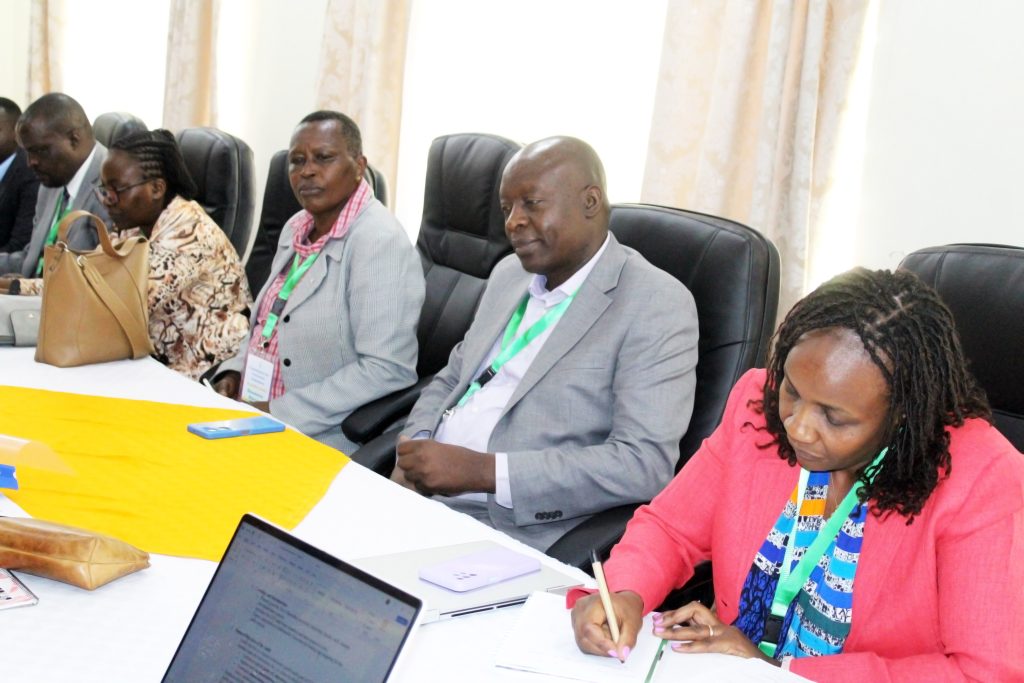
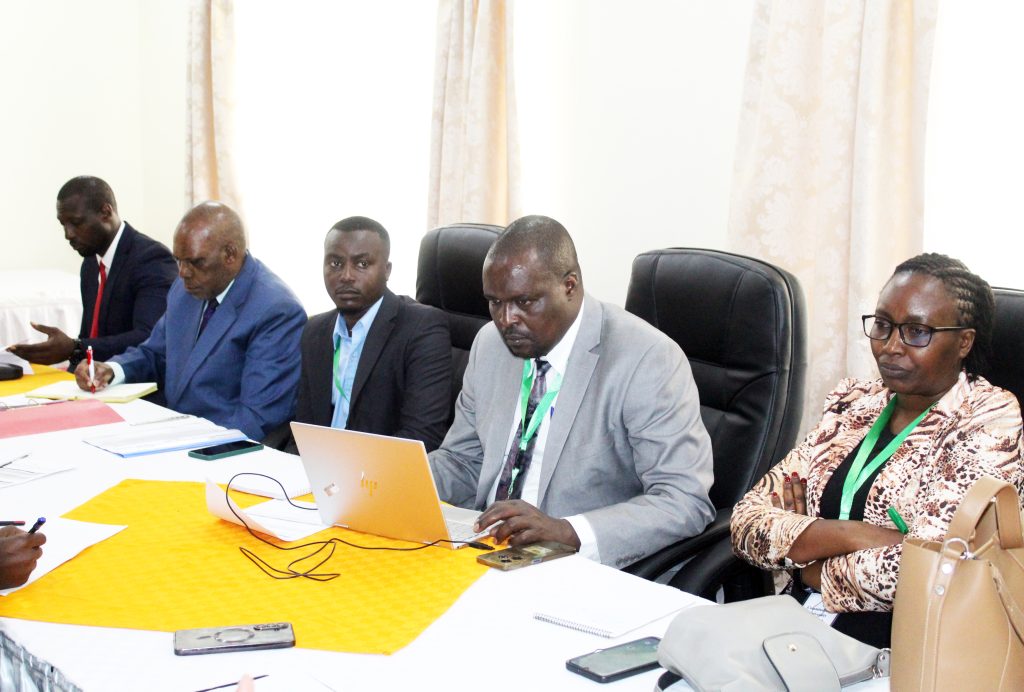
The audit will involve document review, verification of evidence, interviews with academic and administrative staff, students, alumni and other stakeholders. The team will also inspect facilities within and around the university, including student accommodation.
“In quality assurance we say that if there is no evidence, then it was not done. That is why we are here—to verify what is in the self-assessment report and engage various stakeholders,” he noted.
On his part, Deputy Vice Chancellor Academic Affairs, Research and Innovation Prof. Livingstone Ngoo emphasized the university’s readiness to learn from the process and improve where necessary.
“We welcome you here so that we may bring this university to a higher level. Where there are challenges, we hope you will help us identify them and possibly guide us on solutions,” he said.
Deputy Vice Chancellor Administration, Finance and Planning Prof. Geoffrey Kihara reaffirmed the university’s support for the audit team, noting that the exercise is a mandatory but valuable process that helps institutions strengthen their operations.
“This is an important exercise for the university. We know that out of this process we will be in a better place because it will guide us on areas that require improvement,” Prof. Kihara said.
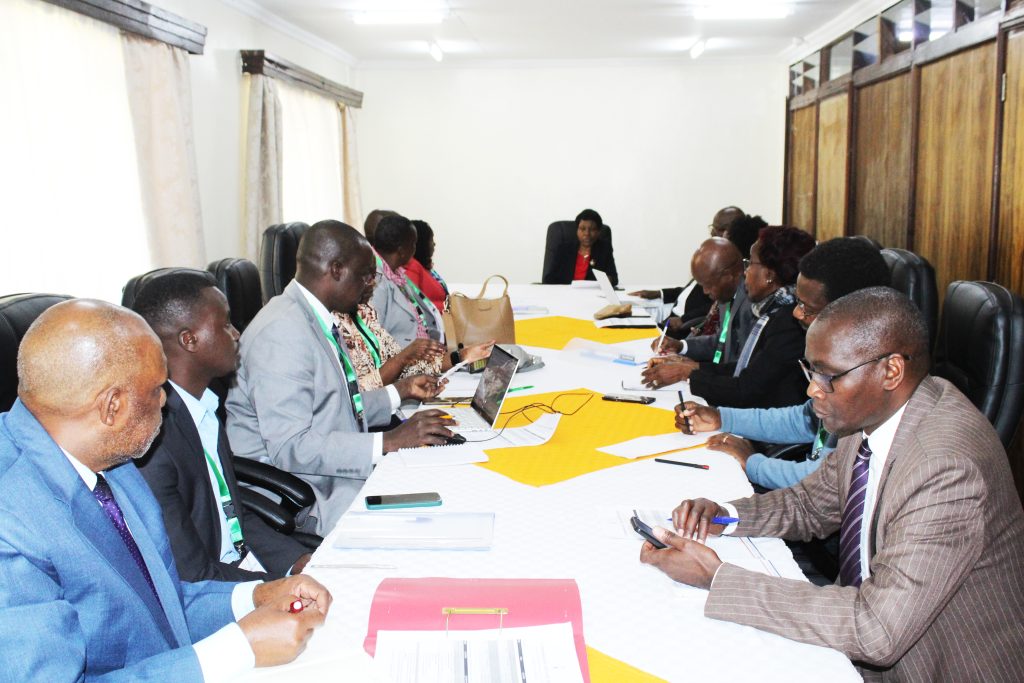
The audit, which began on Monday, will run until Thursday, March 12, 2026. Activities include presentations by the university, interviews with various stakeholder groups, inspection of facilities and review of institutional evidence.
The audit will conclude with an exit meeting during which the team will present its findings and recommendations aimed at strengthening the university’s quality assurance and institutional performance.
By Nicanor Ndiege