
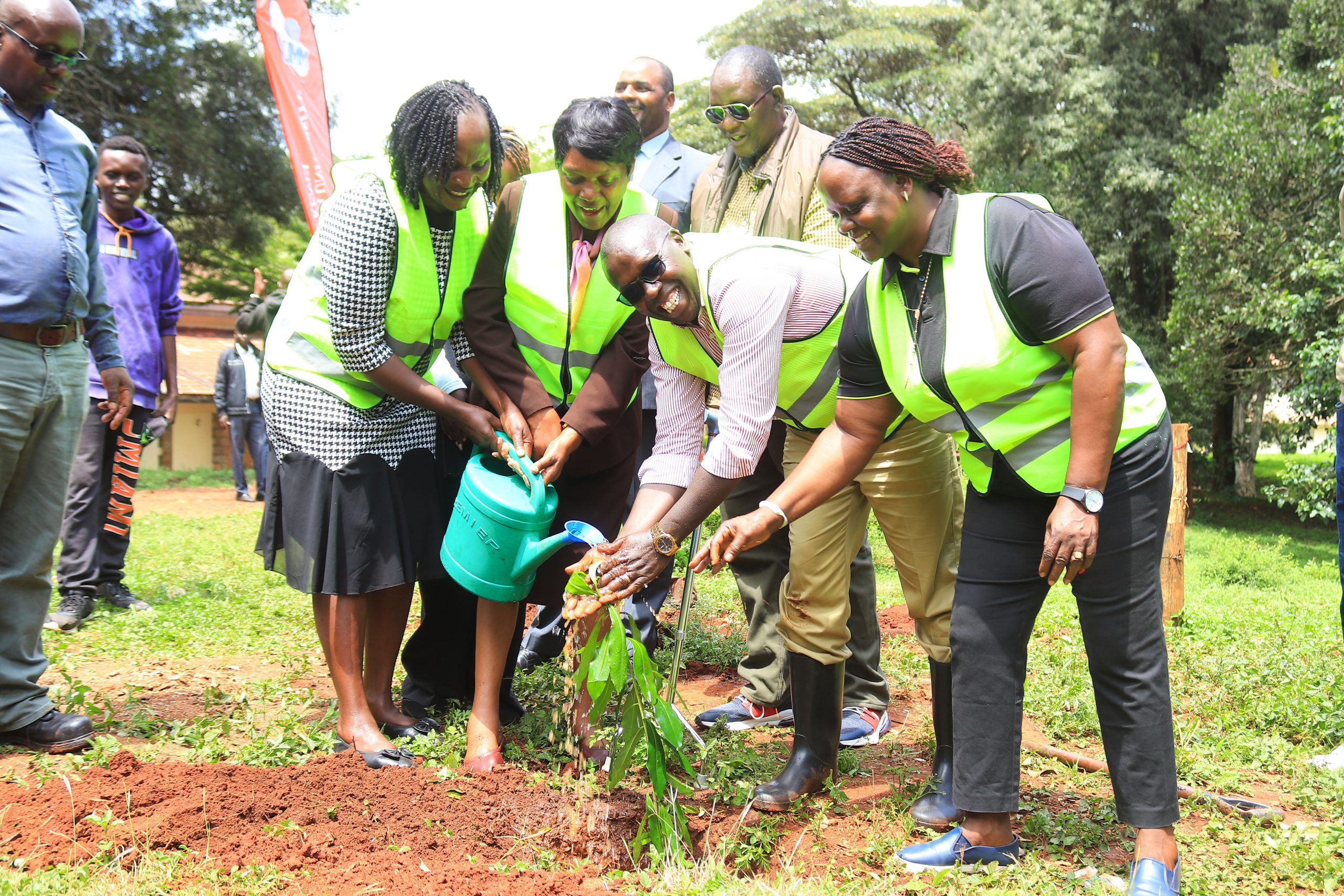
Multimedia University of Kenya (MMU) has vowed to continue championing for a shift from symbolic tree planting to long-term environmental stewardship, as the institution added yet again, its contribution to Kenya’s ambitious plan to grow 15 billion trees by 2032.
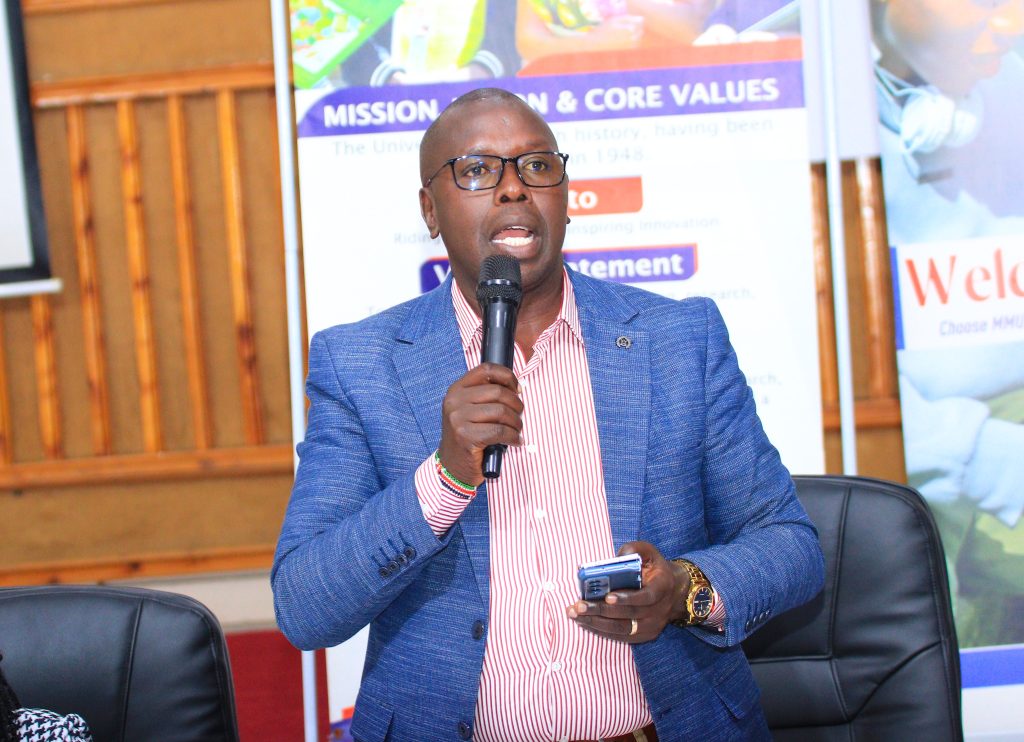
Speaking during the university’s tree planting exercise, MMU Chairman of Council Dr. Albert Kochei urged university community to always take personal responsibility for every tree planted.
“This is not just about activity or planting; it is about measuring results and ensuring lasting impact,” he said. “Let each tree have a custodian. Let each of us ask: is my tree growing?”
Dr. Kochei, who was flanked by other Council members including Hon. Dr. Moses Ole Sakuda, Sr. Dr. Angelica Obaga, Hon. Alois Lentoimaga and representative, State Department for Higher Education Ms. Eunice Wakofula, said that moving from numbers to impact, and from planting to growing, will not only ensures that the trees transform the institution’s environment, but will also define the legacy of the university.
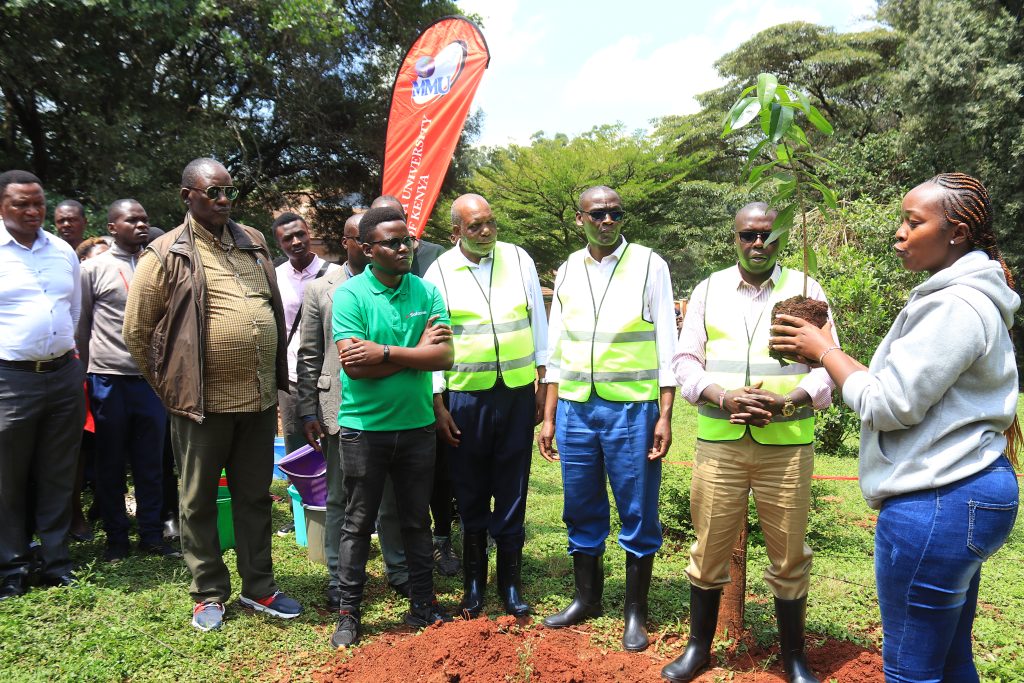
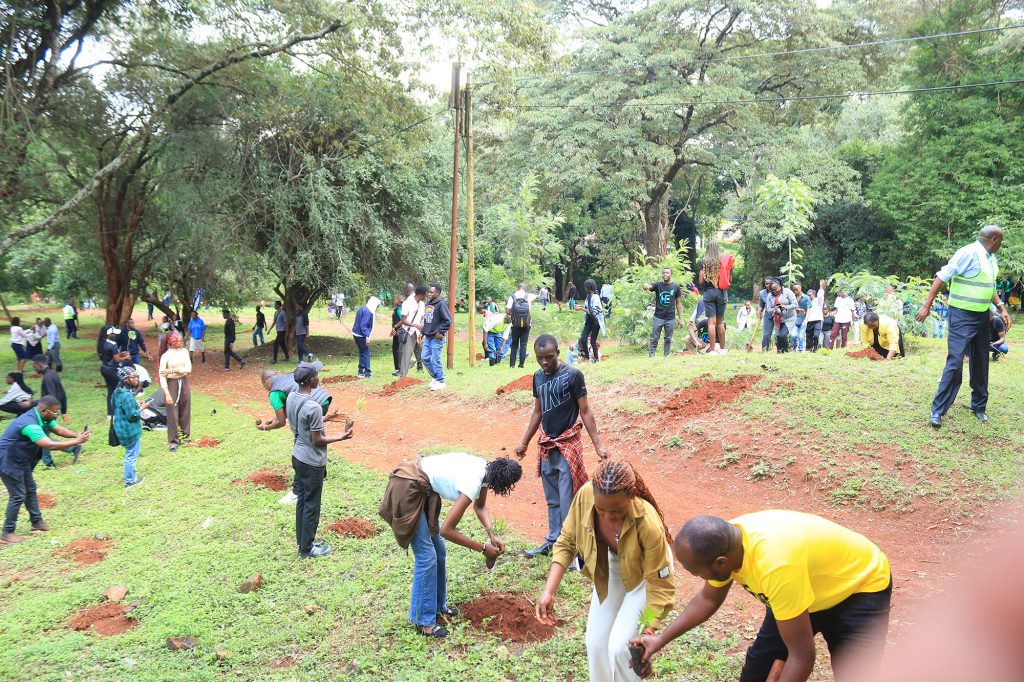
His remarks set the tone for the tree planting exercise, where over 5,000 trees were planted, with leaders emphasizing that survival, not numbers, will define success of every tree planted.
MMU Vice Chancellor Prof. Rosebella Maranga said that tree planting should translate into sustained care if it is to address the growing climate crisis.
“Planting is only the beginning. The true success lies in ensuring that the trees survive and grow,” she said.
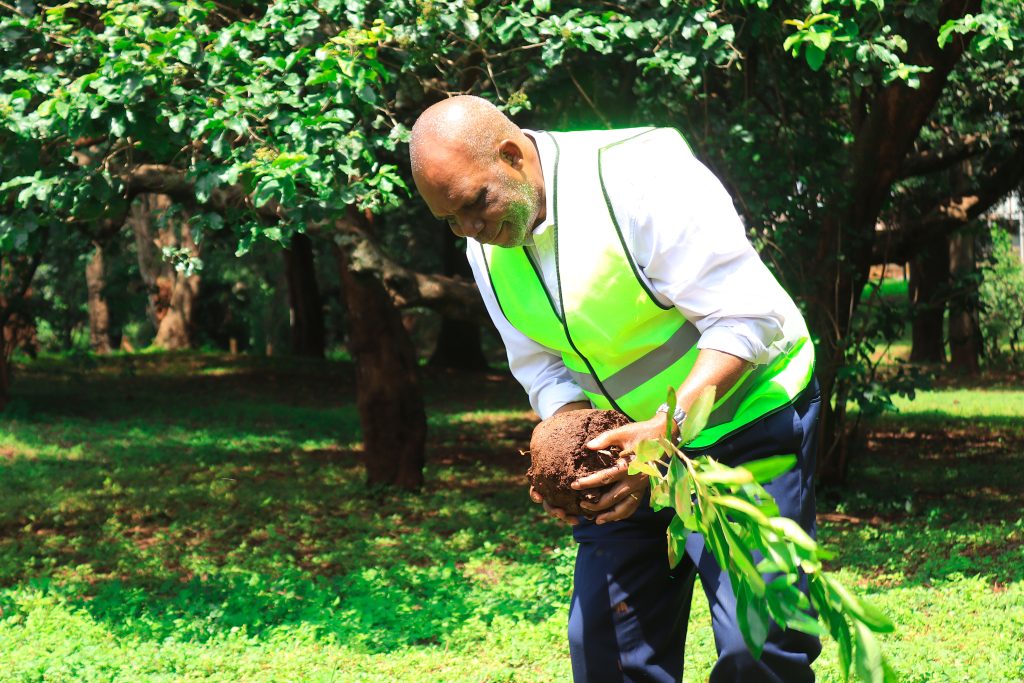
“We are not just planting trees today; we are planting hope, responsibility, and a sustainable future,” she added. Prof. Maranga cautioned that climate change is already being felt across Kenya through floods, droughts, and erratic weather patterns, calling on universities and young people to take a leading role in mitigation efforts.
“The future of our environment will not be determined by what we say, but by what we do,” she added, urging students and staff to embrace tree growing as a lifestyle beyond institutional events.
The exercise aligns with the government’s national tree growing campaign, which seeks to restore degraded landscapes and combat climate change.
Prof. Maranga noted that achieving the government’s target will require collective effort across institutions, communities and the private sector.
 Safaricom PLC representative Samuel Kimanzi, described sustainability as a responsibility rather than a choice, noting that partnerships are critical in driving meaningful environmental action.
“In a time when climate change is already impacting livelihoods, actions like these are practical and necessary,” he said.
“These trees will grow because of the care and responsibility we choose to take beyond today,” said Kimanzi.
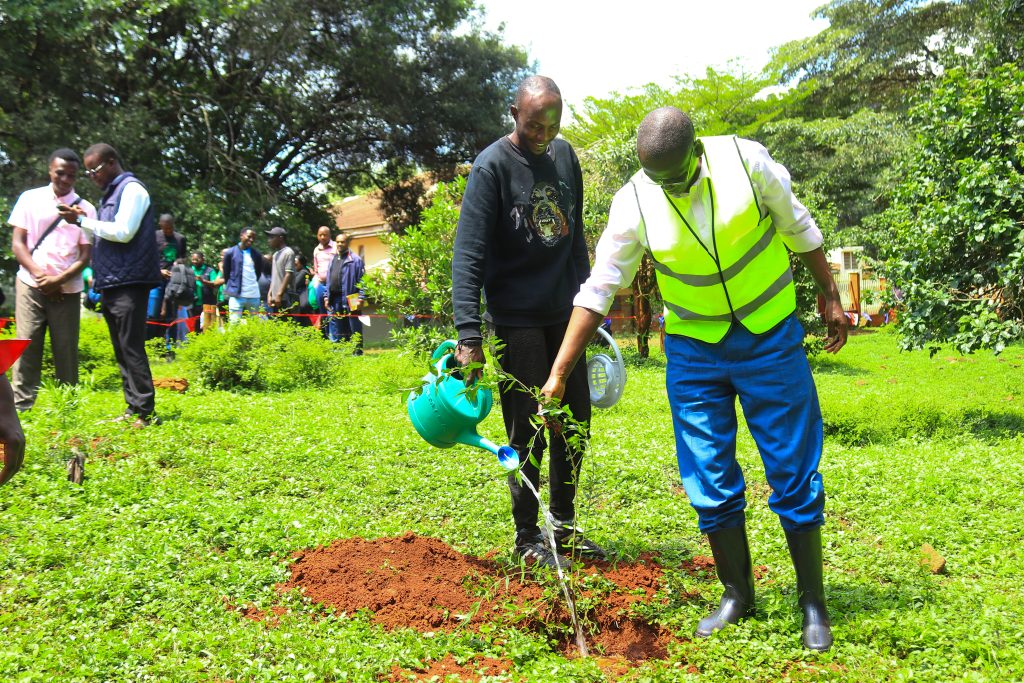 On his part, Deputy Vice Chancellor, Administration, Finance and Planning Prof. Geoffrey Kihara, highlighted tangible benefits of tree cover within the university, pointing to cooler temperatures and improved environmental conditions in areas already forested.
“What we are doing today may not show immediate results, but in years to come, the impact will be evident,” he said, describing tree planting as an investment in the country’s future.