
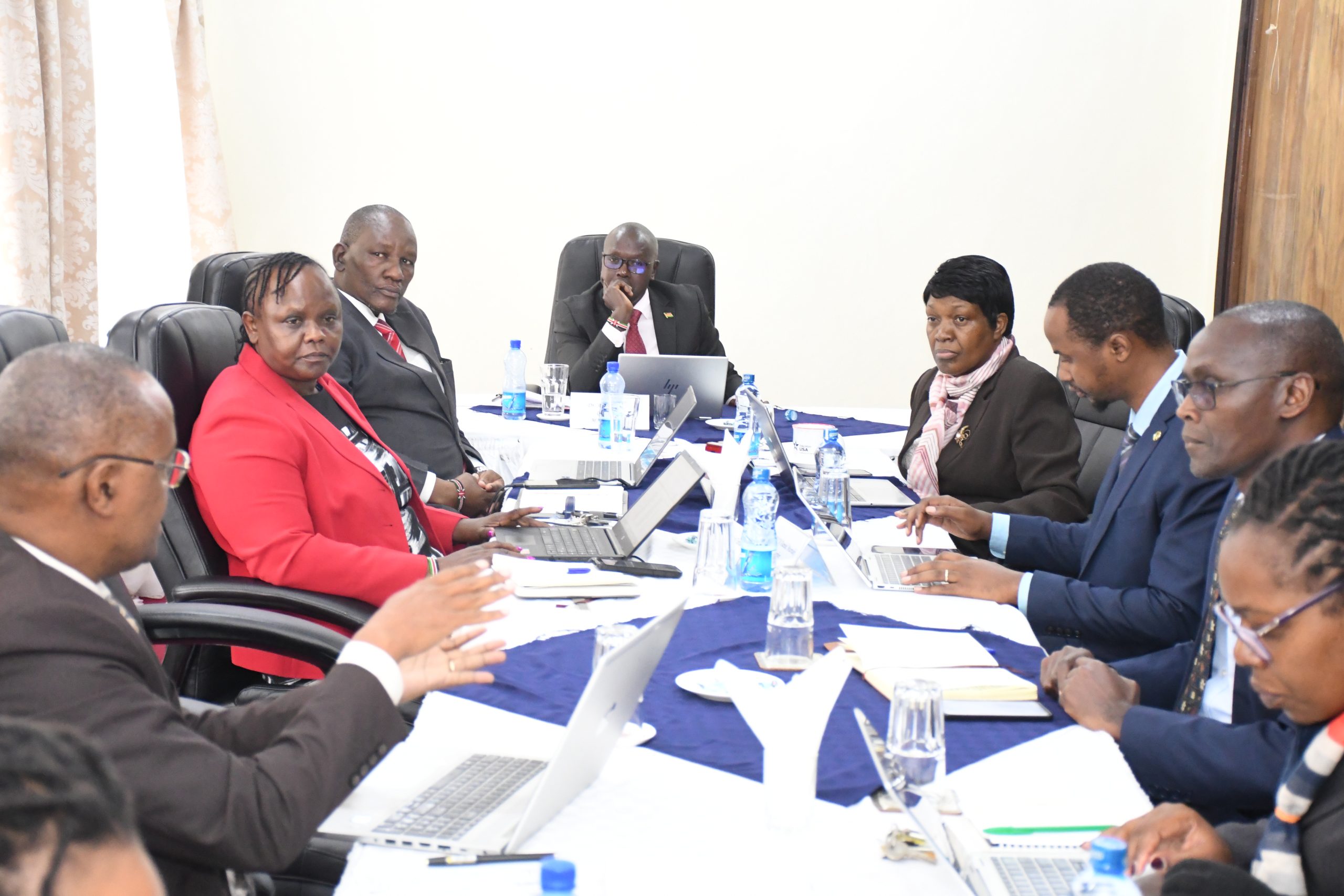
Multimedia University of Kenya (MMU) Council today underwent its annual Board Evaluation exercise conducted under the framework of State Corporations Advisory Committee (SCAC), a statement to the university’s commitment to good governance, accountability and continuous institutional improvement.
The annual exercise, undertaken in line with the State Corporations Act and Mwongozo Code of Governance for State Corporations, assesses effectiveness of public university councils in delivering strategic leadership, oversight and institutional performance.
Speaking after the exercise, MMU Chairman of Council Dr. Albert Kochei described the evaluation as an important governance tool that enables councils to assess their effectiveness and identify opportunities for improvement.
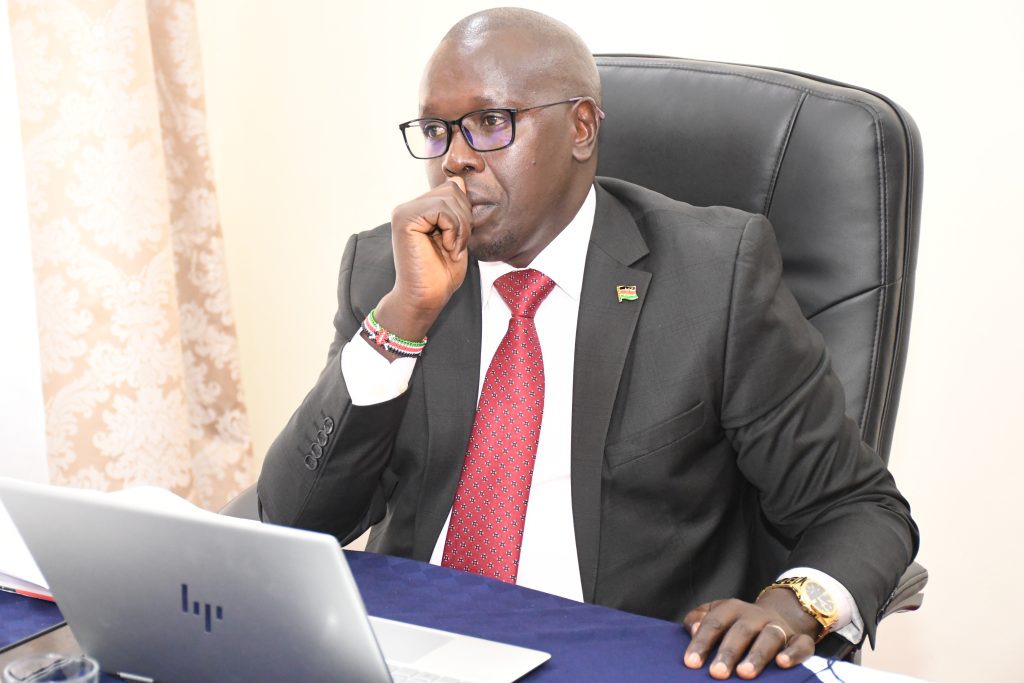
“This is an annual activity that is there to strengthen governance. Members undertake self-evaluation, evaluate their colleagues, assess performance of committees, internal auditor, Vice Chancellor and ultimately the Board as a whole,” said Dr. Kochei.
He explained that the assessment follows a structured process in which council members conduct self-assessments and peer reviews, while also evaluating key governance structures before the Board is evaluated collectively to provide an overall picture of its effectiveness.
Dr. Kochei said that the evaluation results are expected within two weeks, after which the Council will develop a comprehensive Performance Improvement Plan to address identified gaps.
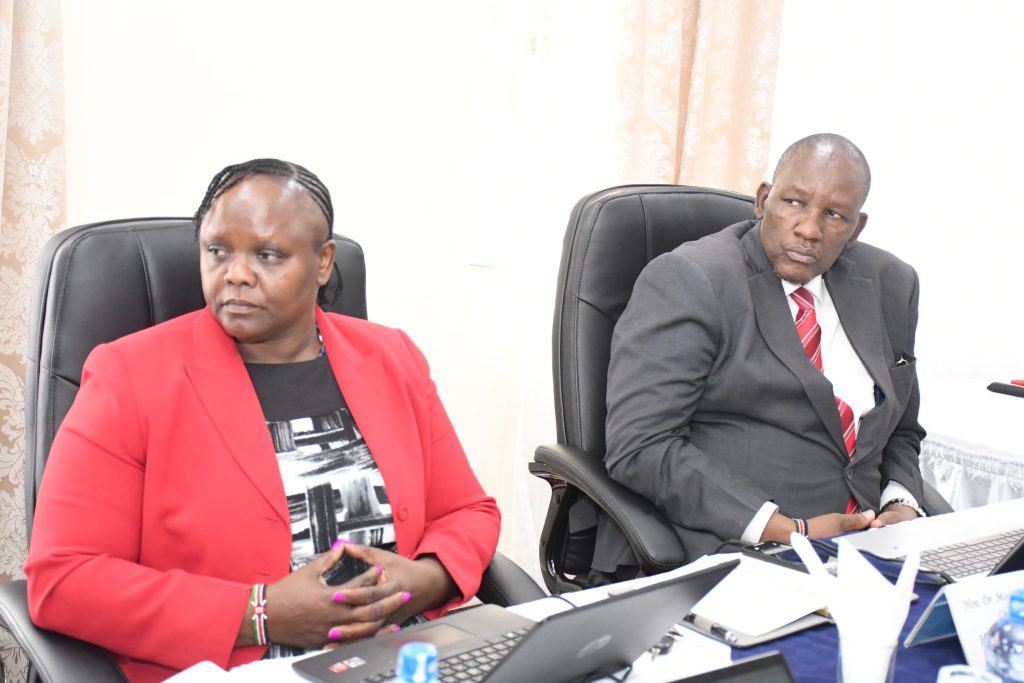
“The results will enable us to draw a performance improvement plan at level of individual council members, the Vice Chancellor, the Internal Auditor and the Board collectively,” he said.
The current exercise evaluates the Council’s performance for the 2025/2026 financial year, following the completion of the 2024/2025 assessment.
Dr. Kochei noted that comparing the two evaluations will help the university monitor governance trends and strengthen future performance.
“We shall undertake a comparative analysis of the two evaluation periods so that we can develop an even stronger performance improvement plan for the 2026/2027 year. Our goal is for every member and the Board collectively to attain performance scores of 80 to 90 per cent and above,” he said.
Reflecting on the previous evaluation, the he observed that while the Council had made progress, there remained significant opportunities to enhance governance, strategic oversight and overall Board performance.
“We have tremendous room for improvement in several areas of governance, strategy and the general performance of the Council as a body, as well as that of individual members,” he said.
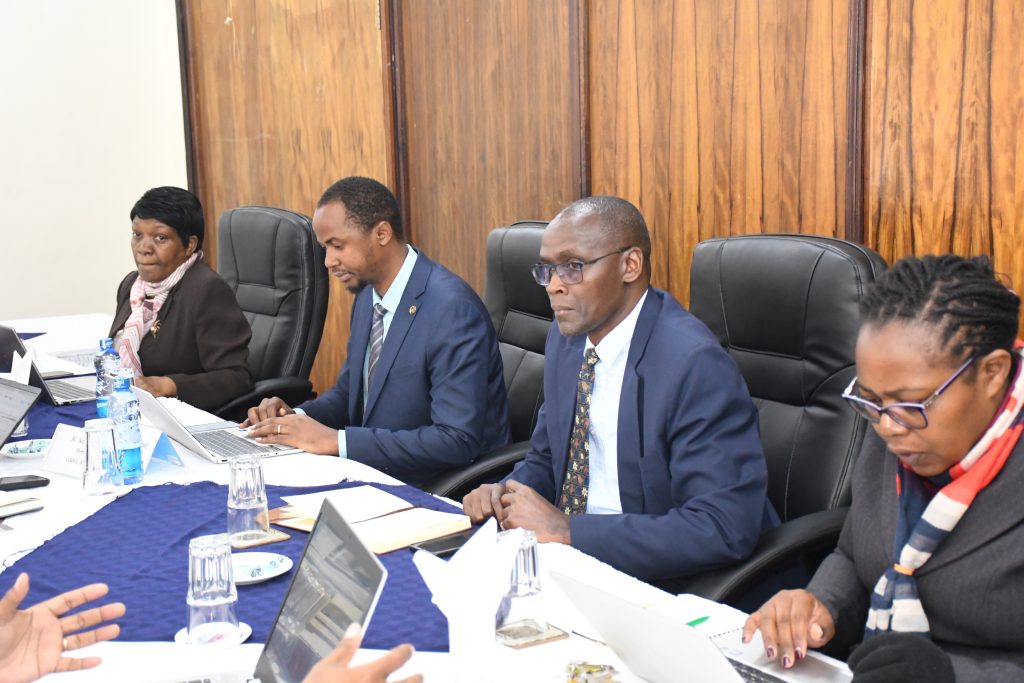
He explained that the findings contribute to performance management processes and may also be considered during the renewal of council members’ terms.
Beyond measuring individual performance, he said, the evaluation provides valuable insights into the Board’s effectiveness in areas such as policy formulation, strategic planning, financial oversight, budget review, board independence and governance practices.
“The evaluation gives an honest view of how colleagues perceive one another, how members assess the organisation’s operations and where improvements are needed to strengthen governance and institutional performance,” he added.