

Multimedia University of Kenya (MMU) Vice Chancellor Prof. Rosebella Maranga is among vice chancellors from across the country attending the 2026 Public Universities Vice-Chancellors’ Summit in Mombasa, where university leaders are discussing, among other things, strategies to strengthen sustainability and readiness for transition of learners under Competency-Based Curriculum (CBC).
Prof. Maranga is representing MMU at the summit which has brought together leaders of public universities and key government officials to deliberate on the future of higher education in Kenya.
The summit was officially opened by Education Cabinet Secretary Julius Migos Ogamba, who called on universities to begin early preparations for the transition of CBC learners expected to join institutions of higher learning in 2029.
Ogamba advised that universities should be ready to accommodate a large number of students, noting that nearly 600,000 learners could qualify for university admission.
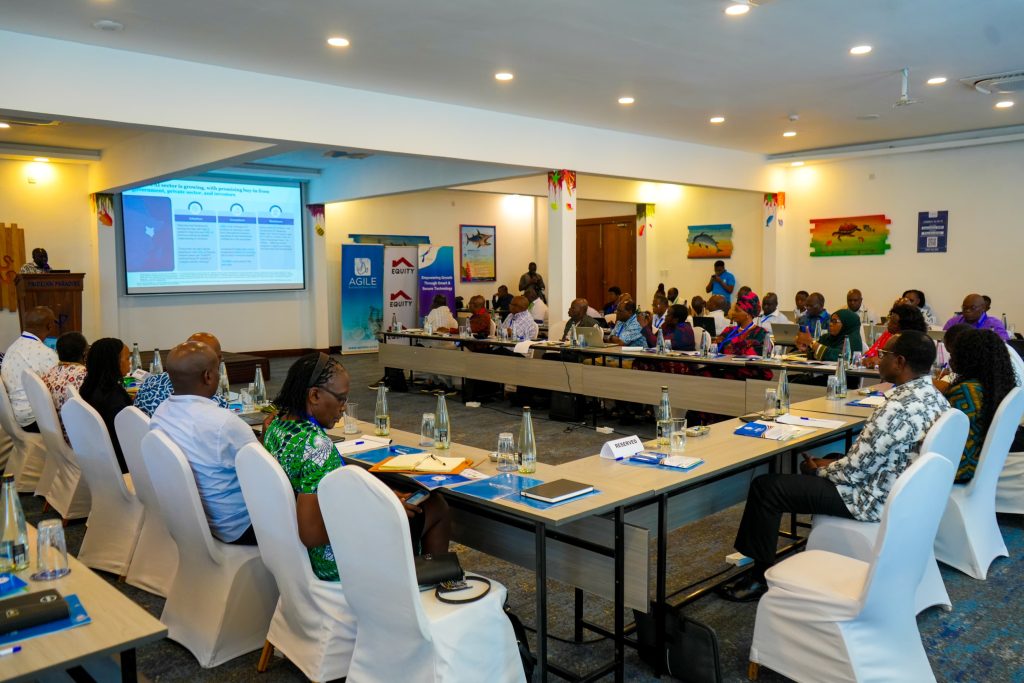
“If 600,000 learners meet expectations, what will you use to say you cannot admit them to university?” the CS said, urging institutions to start planning now. “If that knowledge is available today, then we must prepare for 600,000 students.”
He also challenged universities to align their academic programmes with labour market demands to address the growing problem of graduate unemployment.
According to the CS, institutions should focus on emerging and high-demand fields such as science, technology, engineering, health sciences, climate resilience, artificial intelligence, the blue economy and entrepreneurship.
The summit is being held under the theme “Strengthening Public Universities’ Sustainability, Quality and Innovation for National Development and Global Competitiveness” with discussions focusing on issues including financial sustainability, curriculum relevance, governance reforms, research and innovation, and digital transformation driven by artificial intelligence and other emerging technologies.
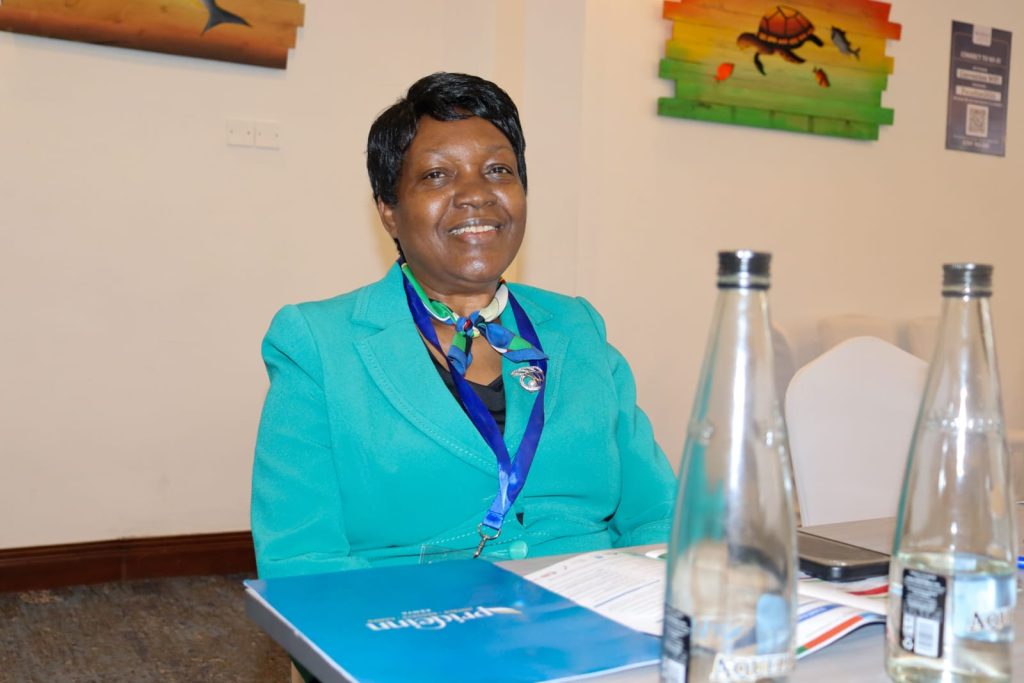
Prof. Maranga confirmed that MMU’s early preparations for Competency-Based Education and Training (CBET) had already begun, and that the university will continue to up-scale its efforts in ensuring that the institution is ready to receive the first cohort by 2029.
Already, the university has held CBET readiness sensitization trainings for all academic staff in an effort to align with the new education system.
By Nicanor Ndiege